

The Impact of AI PC on Laptop Battery Life: A Comprehensive Sourcing Guide for B2B Distributors
Introduction: The Dawn of AI PCs and the New Power Paradigm
The personal computing landscape has undergone its most radical transformation in decades. The rapid mainstream integration of Artificial Intelligence into mobile hardware—ushered in by Microsoft’s Copilot+ PC initiative, Apple’s Neural Engine advancements, and dedicated Neural Processing Units (NPUs)—has redefined what laptops can achieve. From real-time language translation and generative productivity tools to automated local video rendering, AI workloads are now running locally on millions of devices rather than in remote cloud data centers.
For end-users, this shift brings unprecedented on-device intelligence and performance. However, for B2B distributors, IT repair chains, and e-commerce wholesale retailers, this technological leap introduces a massive shift in hardware stress. More computation directly translates to higher power demands, altering how lithium-ion power cells age and perform.
When a consumer or enterprise user experiences premature battery failure on an AI-powered workstation, they look for reliable aftermarket replacements. If your inventory consists of generic, outdated replacement batteries that cannot handle continuous NPU thermal cycles and aggressive fast-charging protocols, your return merchandise authorization (RMA) rates will skyrocket.
Drawing on over 13 years of specialized manufacturing experience in laptop batteries and power solutions, this guide explores how AI workloads impact laptop power systems and outlines what B2B buyers must demand from their manufacturing partners.
Part 1: Decoding the AI PC Architecture—How NPUs Change Power Dynamics
To understand how AI impacts laptop battery life, we first need to look under the hood at how an AI PC processes data differently from traditional legacy laptops.
1. The Triad of Compute: CPU, GPU, and the New NPU
Historically, heavy tasks like video editing or heavy data processing relied on the Central Processing Unit (CPU) and Graphics Processing Unit (GPU). While powerful, these components are power-hungry.
The introduction of the Neural Processing Unit (NPU) changes the equation. An NPU is a specialized accelerator designed specifically to handle machine learning and artificial intelligence tasks efficiently. In theory, offloading AI tasks to an NPU consumes significantly less energy than running them on a CPU or GPU.
2. The Paradox: Higher Efficiency vs. Constant Background Load
While the NPU is energy-efficient per operation, AI PCs run AI tasks much more frequently. Background processes—such as continuous contextual awareness, predictive text generation, real-time security monitoring, and live voice isolation—mean that the laptop’s hardware rarely enters a deep, idle sleep state.
This continuous, low-level micro-workload keeps the power delivery system active. Instead of sharp, short bursts of power consumption followed by long periods of rest, AI laptops experience a sustained baseline draw. For the internal lithium-ion cells, this constant state of activity accelerates cumulative electrochemical wear over time.
Part 2: The Core Mechanisms of Battery Degradation in AI Laptops
When evaluating replacement parts, wholesale buyers must understand why high-performance modern laptops degrade batteries faster than older models. The degradation is driven by two primary forces: thermal stress and continuous cycling.
1. Thermal Micro-Cycling and Joule Heating
AI computations generate localized heat on the motherboard, right near the battery compartments. Lithium-ion chemistry is highly sensitive to temperature. When a battery operates consistently above 35°C (95°F), the rate of electrolyte decomposition speeds up.
In cheap replacement batteries that lack proper internal graphite thermal padding or high-grade copper foil shielding, this heat builds up rapidly. The result? Permanent loss of capacity and a drastically shortened lifecycle.
2. The Double-Whammy: High-Wattage Charging Meets High-Power AI
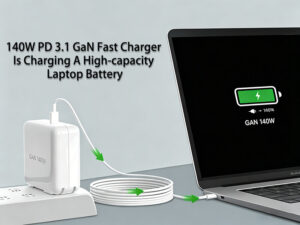
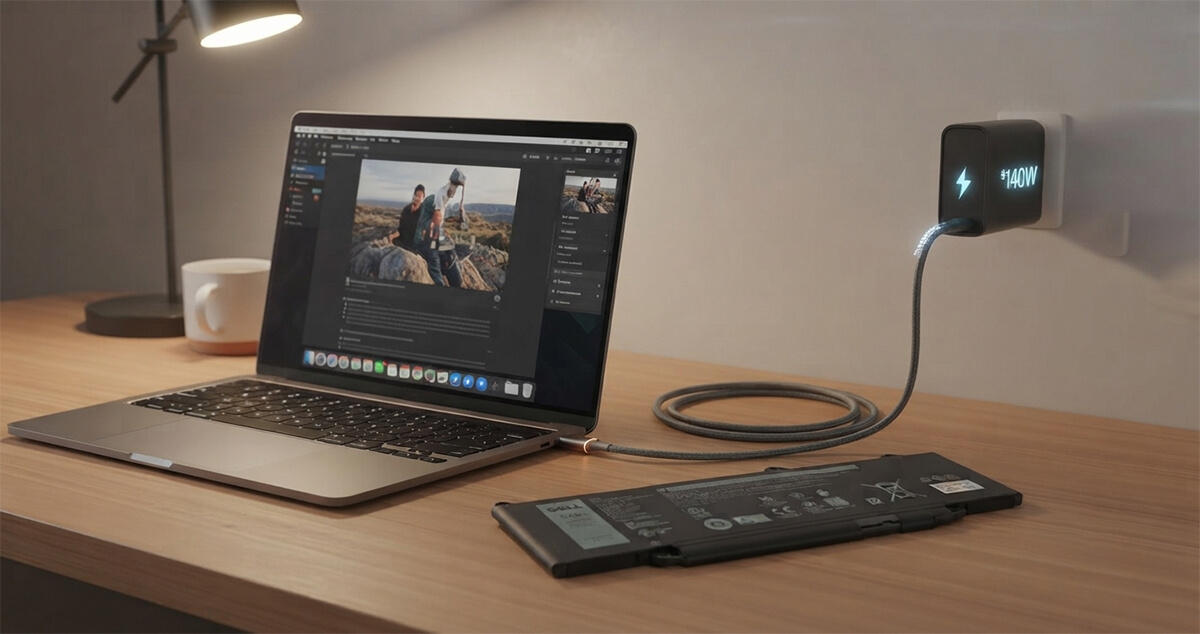
AI laptops are portable workstations that demand immense energy replenishment. Consequently, they are almost universally paired with ultra-fast chargers—frequently utilizing USB Power Delivery (PD 3.1) protocols pushing 140W or higher via GaN (Gallium Nitride) chargers.
When a user runs a heavy local AI rendering task while simultaneously fast-charging their device from 0% to 50% in 30 minutes, the battery is subjected to extreme stress:
-
- High C-Rates: Pushing massive current into the cells forces lithium ions to intercalate into the anode faster than it can naturally handle.
- Aggravated Lithium Plating: If the battery management system cannot throttle current effectively based on temperature, metallic lithium plating occurs, causing permanent capacity loss and severe safety hazards like internal short circuits.
Part 3: Why Standard Aftermarket Batteries Fail in the AI Era
Many budget-focused e-commerce sellers make the mistake of sourcing legacy-spec replacement batteries for modern AI-capable machines. They assume that if a battery physically fits the chassis and has the correct voltage, it will perform adequately. This is a dangerous misconception.
The Danger of Subpar BMS (Battery Management Systems)
The BMS is the “brain” of the battery pack. In an AI PC, communication between the operating system, the power delivery chip, and the battery pack must be instantaneous and precise.
- Cheap BMS Units: These use low-tier microcontrollers that fail to accurately monitor real-time cell temperatures or communicate power draw limits. They cannot dynamically negotiate safety thresholds with a 140W PD 3.1 charger, leading to thermal runaway or unexpected shutdowns during intensive AI processes.
- Tier-1 BMS Units (Required for AI PCs): Premium manufacturers utilize advanced integrated circuits—such as those from Texas Instruments (TI)—that execute thousands of diagnostic checks per second, dynamically regulating power intake to protect the cells during heavy AI workloads.
Part 4: Sourcing Strategy for B2B Buyers—What to Look For
If you are a distributor, regional wholesaler, or large-scale repair enterprise, your market reputation depends entirely on the durability and safety of your components. To future-proof your inventory against the high-demand nature of AI PCs, look for these strict criteria when vetting manufacturing partners:
1. Guaranteed Grade A Cell Construction
Insist that your supplier uses only Grade A lithium-ion cells from tier-one manufacturers. Grade A cells feature the lowest internal resistance, ensuring that heat generation is minimized even when handling the dual pressures of fast-charging and heavy AI compute cycles. Avoid suppliers who utilize recycled, b-grade, or mismatched cells.
2. Advanced Thermal Design and Structural Integrity
Modern replacement batteries must feature robust internal insulation and precise structural alignment to prevent swelling (the “spicy pillow” effect). Ask your factory about their swelling-prevention testing protocols under high-temperature stress environments.
3. Full Regulatory Compliance & Certifications
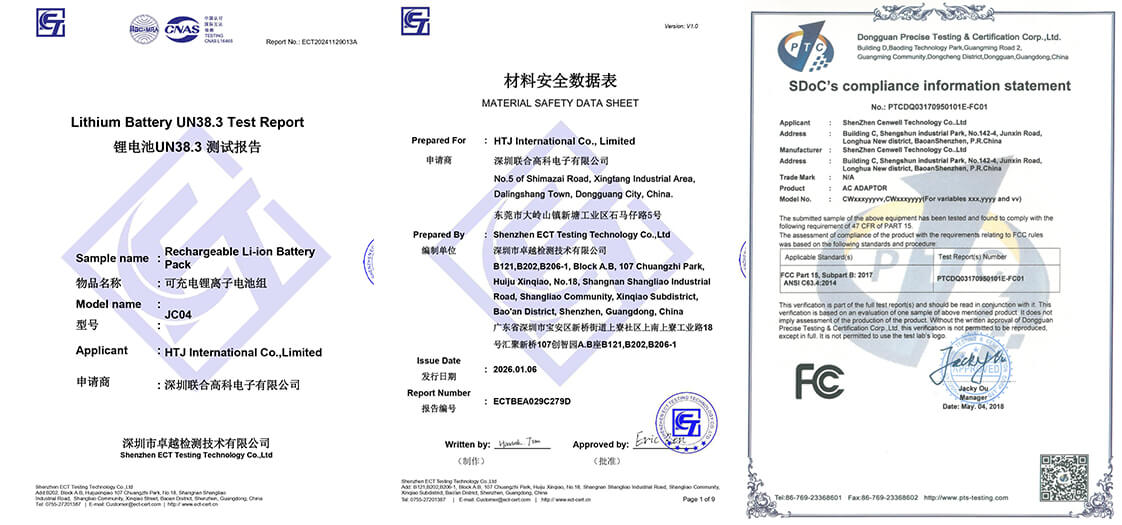
Because high-capacity lithium batteries are strictly regulated globally, your supply chain must be completely transparent. Ensure your manufacturer provides up-to-date documentation, including:
-
- UN38.3: Crucial for safe air and maritime logistics.
- MSDS & CE/RoHS: Proving chemical safety and electronic compliance.
- FCC Certification: Ensuring electromagnetic compatibility with modern wireless and smart hardware.

UN38.3&MSDS&FCC Certifications
4. Proven Manufacturing Heritage
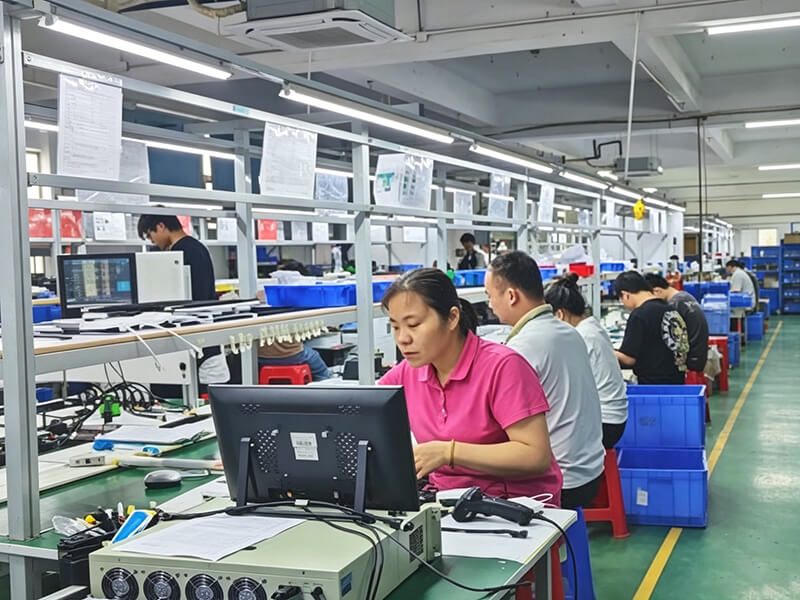
The electronics aftermarket is flooded with trading companies and short-lived assembly lines. Partnering with a dedicated factory with a decade or more of proven engineering experience guarantees that your supply chain remains stable, consistent, and fully accountable for quality control.
Conclusion: Staying Ahead of the Curve
The rise of the AI PC is not a temporary marketing fad; it is a permanent evolution in mobile computing capability. As localized AI models become more complex and deeply integrated into daily workflows, the hardware supporting them—especially the power systems—must evolve in parallel.
For B2B distributors and e-commerce leaders, adapting to this shift means moving away from race-to-bottom pricing and investing in high-integrity, technologically advanced replacement components. By sourcing batteries engineered specifically to withstand thermal stress, high-wattage fast charging, and continuous NPU workloads, you protect your brand from high RMA rates and secure long-term customer loyalty.
Are you looking to future-proof your distribution inventory with next-generation, high-durability laptop batteries?
At HTJ International Co., Limited, we leverage over 13 years of advanced manufacturing experience to build premium replacement batteries and power adapters designed to meet the rigorous demands of modern high-performance and AI-capable laptops. Backed by strict Grade A cell selection, advanced TI control chips, and comprehensive international safety certifications, we help our global partners scale with confidence.
[Contact our technical sales team today] to request our latest comprehensive compatibility matrix, technical data sheets, and exclusive B2B wholesale pricing.