
USB-C Explained: The Ultimate Universal Connector Standard for High-Speed Data Transfer and Power Delivery
The USB-C Revolution: Unifying Power and Data Connectivity
The era of tangled cables and mismatched ports is rapidly drawing to a close, thanks to the widespread adoption of USB-C (officially, USB Type-C). This USB-C Explained: The Ultimate Universal Connector Standard for High-Speed Data Transfer and Power Delivery[[single, versatile port is engineered to transmit data, video signals, and electric power—all through one standardized connector. Designed by the industry experts at the USB Implementers Forum (USB-IF), USB-C is not merely an incremental update; it is a connectivity paradigm shift.
By understanding what USB-C is and how its features—such as superior speed, massive power delivery, and universal compatibility—will impact your everyday devices, you can future-proof your tech ecosystem.
1. Defining USB-C – The Technical Foundation
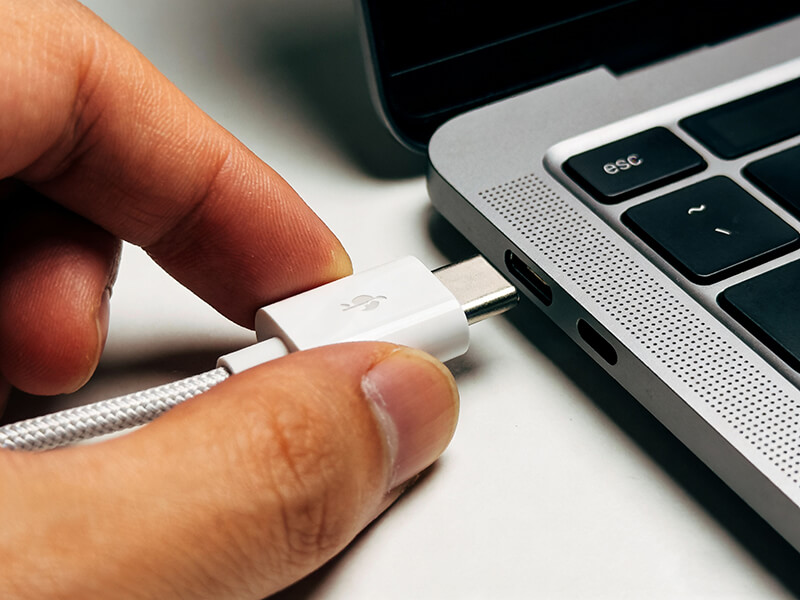
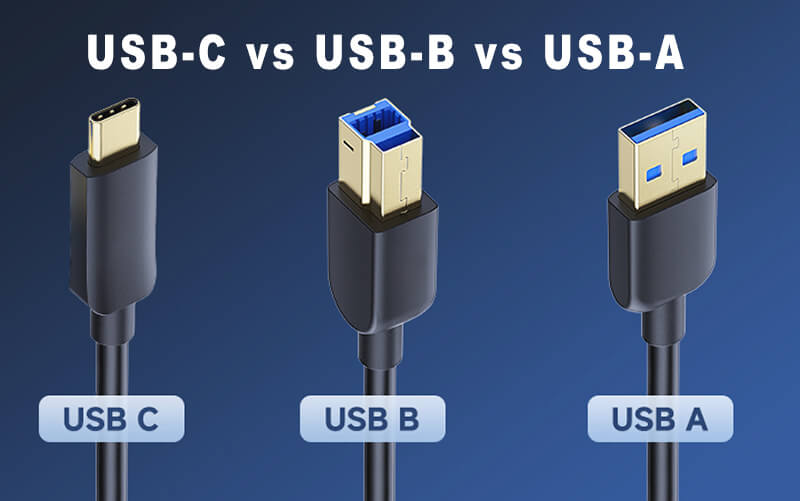
USB-C is a small, 24-pin connector designed to be physically reversible and symmetrical. This symmetrical design is perhaps its most beloved feature, instantly solving the frustration of trying to plug in a cable the wrong way.
The USB-C Specification: Beyond the Shape
Crucially, USB-C is only the physical connector shape; it is designed to be compatible with multiple underlying protocols and speed specifications, including:
1.1 USB 3.1/3.2/4:
Defining the high-speed data transfer rates.
1.2 USB Power Delivery (USB PD):
Enabling up to 100W, and recently USB PD Extended Power Range (EPR), allowing up to 240W of charging power.
1.3 Alternate Modes:
Protocols such as DisplayPort and HDMI enable USB-C to send video signals directly to external monitors.
Its compact form factor is a significant draw for manufacturers, enabling the production of thinner and lighter devices, such as ultrabooks and flagship smartphones, all while retaining powerful functionality.
2. Core Advantages of USB-C Over Older Standards
The widespread success of USB-C is driven by three game-changing advantages that older connectors like USB-A and Micro-USB cannot match.
2.1 Universal Power Delivery (PD)
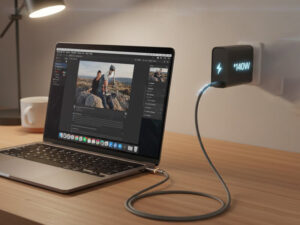
One of the most revolutionary aspects of USB-C is its capability for robust power transfer. USB-C cables, when paired with a compatible USB-C charger, can deliver up to 100W (standard) or 240W (EPR).
2.1.1 Charging Laptops and Monitors:
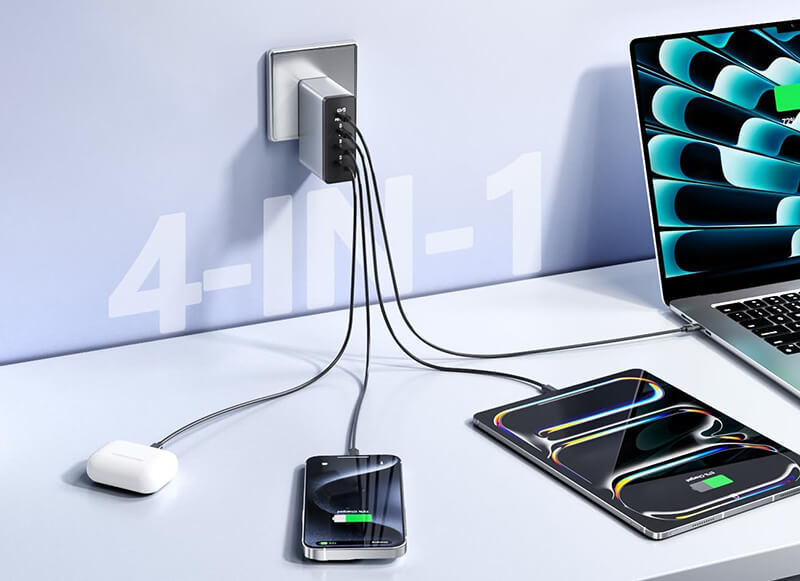
This high wattage means you can use the same USB-C cable to fast-charge your phone, tablet, and most modern laptops, eliminating the need for bulky proprietary power bricks.
2.1.2 Bidirectional Power
USB-C ports can both receive and supply power, allowing a laptop to charge a phone or a portable battery pack to charge the laptop.
2.2 Unprecedented High-Speed Data Transfer
By supporting the latest USB specifications, USB-C elevates data performance to professional-grade levels:
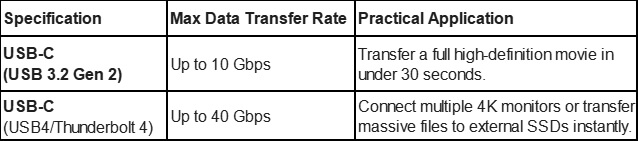
This unparalleled speed makes USB-C an essential feature for professionals, gamers, and content creators relying on fast external storage and quick data backups.
2.3 Single-Port Versatility with Alternate Modes
The adaptability of the USB-C connector allows it to support various non-USB protocols. This feature, known as Alternate Modes, means a single USB-C port can function as a multipurpose dock:
2.3.1. Video Output:
Directly connect to a 4K or even 8K external display using a simple USB-C cable or adapter (DisplayPort Alt Mode).
2.3.2 Docking Stations:
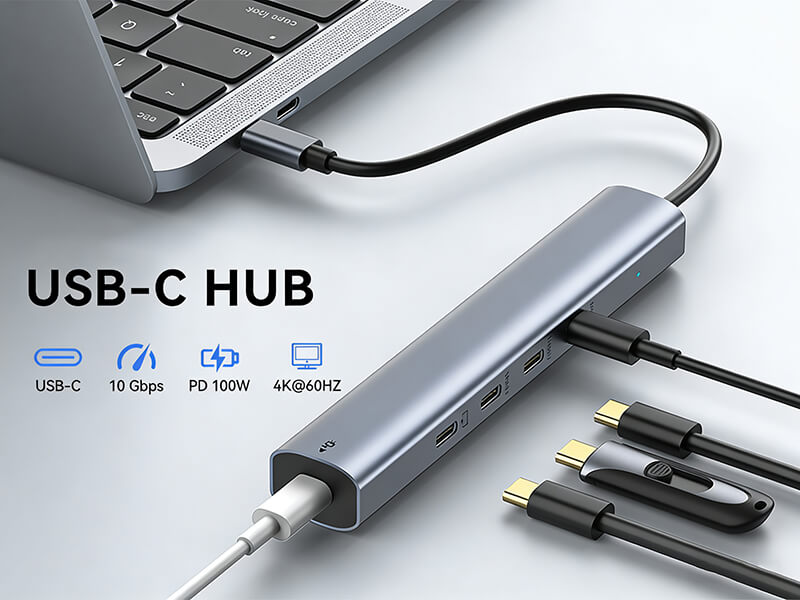
A USB-C dock can provide network connectivity, multiple USB-A ports, video output, and simultaneous charging—all via one cable to your laptop.
3. USB-C and the Future of Universal Connectivity
Global trends and governmental regulations are cementing the role of USB-C as the definitive universal standard.
3.1 Global Regulatory Pressure:
The EU’s mandate for a common charger (requiring USB-C on nearly all mobile electronic devices) is accelerating adoption worldwide. This regulatory push means that consumer devices, regardless of manufacturer or geographic region, will converge on the USB-C standard, simplifying travel and accessory sharing.
3.2 Investment in Accessories:
As the industry standardizes, investing in high-quality USB-C accessories—such as robust USB-C cables, chargers, and hubs—is the most effective way to ensure compatibility with all your future electronic purchases.
FAQ: Answering Your USB-C Queries
Q: Can I use a standard USB device in a USB-C port?
A: Yes, through the use of an adapter or a USB-C to USB-A cable. While the connection is possible, the transfer speed will be limited by the older standard (e.g., USB 2.0 or 3.0) of the legacy device.
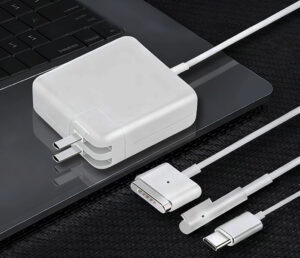
HTJ International Co., Limited is a manufacturer of laptop batteries, laptop adapters, and laptop keyboards. We specialize in the research and development, and production of laptop peripherals. We possess automated production lines and a comprehensive management system. Our products offer perfect compatibility with currently available laptops and boast consistently high quality, making us a reliable and stable partner. HTJ’s USB-C laptop adapters combine performance and aesthetics, making them an excellent choice.
Q: Is Thunderbolt the same as USB-C?
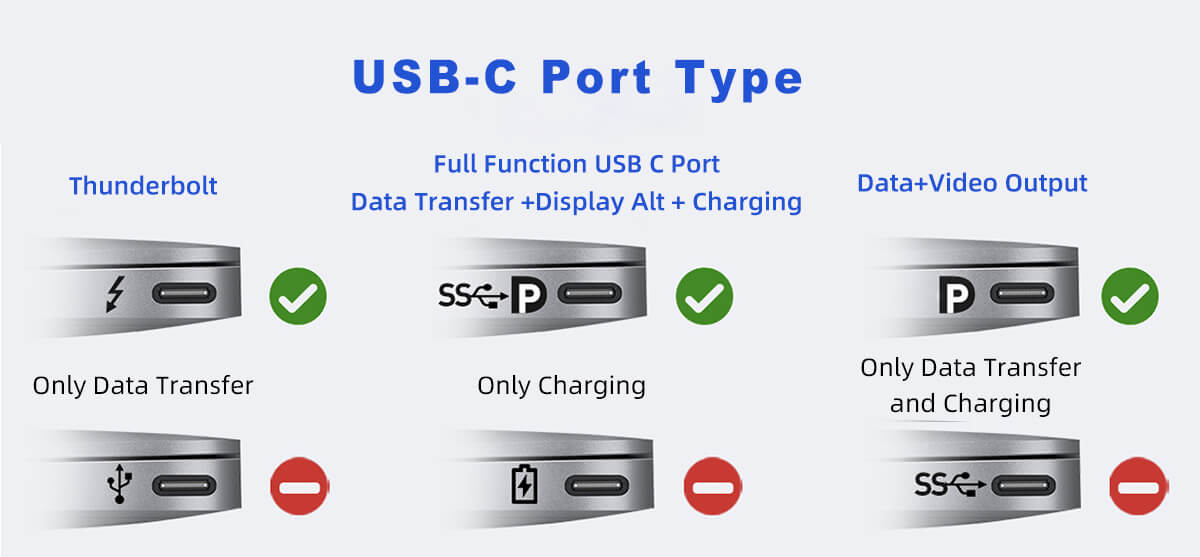
A: No, but they share the same physical connector. USB-C refers to the physical port shape. Thunderbolt (e.g., Thunderbolt 4) is a data and display protocol developed by Intel that uses the USB-C port. A Thunderbolt port is always a USB-C port, but a USB-C port is not always a Thunderbolt port. Look for the distinctive lightning bolt icon next to the port for Thunderbolt capability.
Q: How do I know if a USB-C cable supports 100W or 4K video?
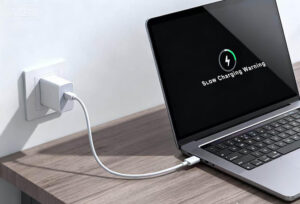
A: You must check the cable’s specification, as not all USB-C cables are created equal. High-performance features like 100W/240W Power Delivery and high-resolution video require a fully-featured, certified cable, often referred to as a “full-spec” or “active” USB-C cable. Cheap cables may only support 5Gbps data and basic charging.
Conclusion: Embrace the USB-C Ecosystem
USB-C is the true universal solution the tech world has long awaited. Combining ease of use, superior speed, powerful charging (up to 240W), and compatibility with multiple protocols, it is rapidly replacing its predecessors. Moving to the USB-C ecosystem now is an investment in simplicity, performance, and future-proof connectivity.